
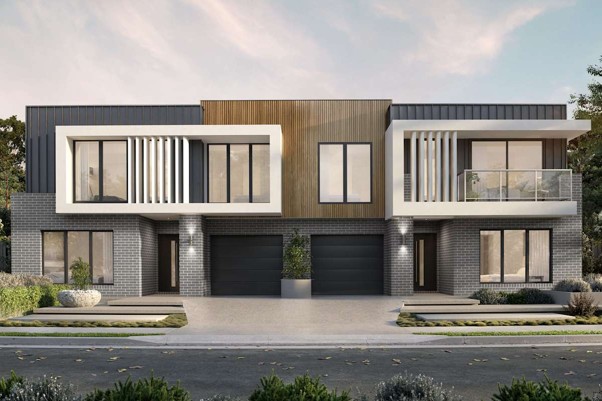
Building a duplex on Central Coast can be a smart way to create rental income, accommodate family, live in one dwelling and rent the other, or potentially sell one property after completion.
However, duplex construction finance can be more complex than a standard home loan.
Your finance options will depend on the block, council approval, building contract, available equity and what you plan to do with the completed dwellings.
Before buying land or signing a building contract, here are 10 common duplex finance mistakes to avoid.
1. Starting Without a Clear Exit Strategy
Before applying for finance, decide what you intend to do with the completed duplex.
You may plan to:
- live in one dwelling and rent the other;
- keep both dwellings as investments;
- sell one and retain the other;
- sell both dwellings; or
- use one dwelling for family accommodation.
This matters because a lender may treat the proposal differently depending on your intended outcome.
A borrower planning to retain both dwellings may qualify for residential construction finance. A project involving the immediate sale of one or both dwellings may instead be treated as property-development finance.
This should be considered before the plans and building contract are finalised.
2. Assuming Every Central Coast Block Is Suitable for a Duplex
Not every property on Central Coast can accommodate a duplex or dual occupancy.
Development potential can depend on:
- zoning;
- lot size and width;
- building height;
- setbacks;
- floor-space ratio;
- access and parking;
- easements;
- drainage and services;
- bushfire or flood constraints; and
- whether the project requires a development application or qualifies as complying development.
Before relying on a property’s development potential, obtain advice from a town planner, architect, building designer or other suitably qualified professional.
Finance approval does not replace council or planning approval.
Ready to get started?
Book a chat with a Finance & Mortgage Broker at CoastFin today.
3. Waiting Too Long to Discuss Finance
You do not necessarily need final council approval before speaking with a mortgage broker.
An early finance assessment can help determine:
- whether the project fits residential lending policy;
- how much equity or cash may be required;
- whether the proposed building contract will be acceptable;
- how the lender may value the completed project; and
- whether the exit strategy affects the loan type.
A lender may provide an initial assessment using proposed plans and estimated costs.
However, construction funds will generally not be released until key documents are available, including approved plans, a signed building contract, insurance and an on-completion valuation.
The finance and planning processes should run alongside each other.
4. Assuming You Must Own the Land Outright
You do not always need to own the land outright before obtaining construction finance.
Depending on the lender, the land purchase and construction may be approved together.
The land usually settles first. Construction funds are then released progressively once the required approvals and building documents have been provided.
Where the land is already owned, the equity in the property may form part of your contribution.
The lender will generally assess:
- the land value;
- any existing debt;
- the building contract;
- additional project costs;
- the estimated completed value;
- your available contribution; and
- your ability to repay the loan.
The land and construction components may also be set up as separate loan accounts or splits.
5. Signing the Wrong Building Contract
Many mainstream lenders require a fixed-price, fixed-term building contract with a licensed builder.
Cost-plus contracts can be harder to finance because the final construction cost is not known when the loan is approved.
If labour, materials or subcontractor costs rise, the lender will not automatically increase the loan amount. You may need to cover the shortfall from your own funds.
Even with a fixed-price contract, check for:
- provisional sums;
- prime-cost items;
- exclusions;
- site costs;
- rock excavation;
- retaining walls;
- drainage;
- demolition;
- landscaping;
- utility connections; and
- contract variations.
A contract described as fixed price can still expose you to additional costs if the scope is incomplete.
Before signing, confirm that the contract is acceptable to the proposed lender.
6. Underestimating the Total Project Cost
The builder’s contract price is rarely the total cost of a duplex development.
Other expenses may include:
- design and planning fees;
- engineering and surveying;
- demolition;
- council and certification costs;
- utility connections;
- subdivision or strata costs;
- landscaping and fencing;
- loan and valuation fees;
- interest during construction;
- legal expenses;
- insurance; and
- holding costs.
You should also retain a contingency allowance for unexpected costs.
Using all available funds toward the land purchase or building deposit can leave you without enough cash to deal with changes during construction.
7. Misunderstanding Progress Payments
Construction loans are generally released in stages as work is completed.
Typical stages may include:
- deposit;
- slab or base;
- frame;
- lock-up;
- fixing;
- completion; and
- other agreed milestones.
Before releasing a progress payment, the lender may require:
- a builder’s invoice;
- a progress-payment request;
- evidence that your contribution has been used;
- a progress inspection;
- current insurance; and
- confirmation that the relevant stage is complete.
Interest is usually charged only on the amount that has been drawn.
This means repayments may start lower and increase as construction progresses.
8. Assuming Every Drawdown Will Be Paid Automatically
A builder’s invoice does not guarantee that the lender will release the full amount requested.
The lender may appoint a valuer, quantity surveyor or building consultant to confirm that the work has been completed.
If the work is incomplete or does not match the approved plans, the lender may:
- delay the payment;
- reduce the amount released;
- request more information;
- require another inspection; or
- ask you to resolve the issue with the builder.
You should also check the work before approving a progress claim.
Independent building advice may be appropriate where there are concerns about quality, delays or incomplete work.
9. Failing to Coordinate Builder and Lender Timeframes
The builder’s payment terms should be reviewed against the lender’s drawdown process before the building contract is signed.
A builder may require payment within a few business days. The lender may need additional time to arrange an inspection and release funds.
This can create a cash-flow gap.
To reduce the risk:
- confirm the lender’s processing timeframe;
- make sure the builder’s stages align with lender requirements;
- submit progress-payment requests early;
- keep contingency funds available; and
- avoid taking on extra debt without first speaking with your broker.
Applying for new credit during construction may affect your financial position or loan approval.
10. Leaving the Final Loan Structure Until Completion
Once construction is complete, the lender will generally require a final inspection or valuation before making the last payment.
The construction loan then moves to its ongoing repayment structure.
If you plan to live in one dwelling and rent the other, separate loan splits may help with ongoing loan management.
However, the loan structure and tax treatment are not the same thing.
Tax deductibility generally depends on how borrowed funds were used, not simply how the loan account is named.
You should obtain independent tax advice before mixing owner-occupied and investment expenses within the same loan.
The final structure may also depend on whether the duplex remains on one title or is subdivided into separate titles.
Other Important Duplex Finance Considerations
Construction Loan Fees
Construction fees vary between lenders.
You may be charged:
- progress-payment fees;
- a construction administration fee;
- valuation fees;
- quantity-surveyor fees;
- additional inspection fees; or
- variation fees.
Review the loan offer and fee schedule before proceeding.
Construction Deadlines
Construction approvals usually include commencement and completion deadlines.
These timeframes vary between lenders and may run from settlement, the loan-contract date or another date shown in the loan documents.
If the builder or approval process is delayed, contact your broker or lender as early as possible.
Owner-Builder Finance
Owner-builder finance is available through fewer lenders and may involve:
- a larger cash contribution;
- higher interest rates;
- stricter progress inspections;
- additional documentation; and
- specialist lender requirements.
Owner-builder duplex projects can also be subject to additional NSW regulatory requirements.
Seek legal, planning and finance advice before proceeding as an owner-builder.
Subdivision and Separate Sale
Approval to build a duplex does not automatically mean that each dwelling can be separately titled or sold.
Separate sale may require Torrens title or strata subdivision, together with council, survey, legal and lender approval.
Before relying on the sale of one dwelling, confirm:
- whether subdivision is permitted;
- the likely cost and timeframe;
- the lender’s security-release requirements;
- any required minimum sale price; and
- whether the planned sale changes the finance classification.
Plan Your Duplex Finance Before You Build
Financing a duplex development on Central Coast involves more than comparing home loan interest rates.
The lender will consider:
- the development site;
- planning approval;
- the building contract;
- the total project cost;
- your available equity;
- the estimated completed value;
- your intended use of each dwelling; and
- your exit strategy.
Before buying land or signing a building contract, make sure the proposed finance structure suits the project from the beginning through to completion.
Speak With CoastFin
Planning a duplex development in Erina or elsewhere on the Central Coast?
Speak with a Finance and Mortgage Broker at CoastFin or book an appointment with our team.
CoastFin can help assess your proposed duplex development, compare lender requirements and identify potential finance issues before they delay the build.
Need to understand how construction finance fits your duplex development plans? Call one of our team or book an appointment at a time that works for you at CoastFin's booking page.
This article provides general information only and does not constitute financial, legal, planning, building or taxation advice. Lending policies and eligibility requirements vary between lenders and may change. Obtain advice from appropriately qualified professionals before proceeding with a property development or construction loan.