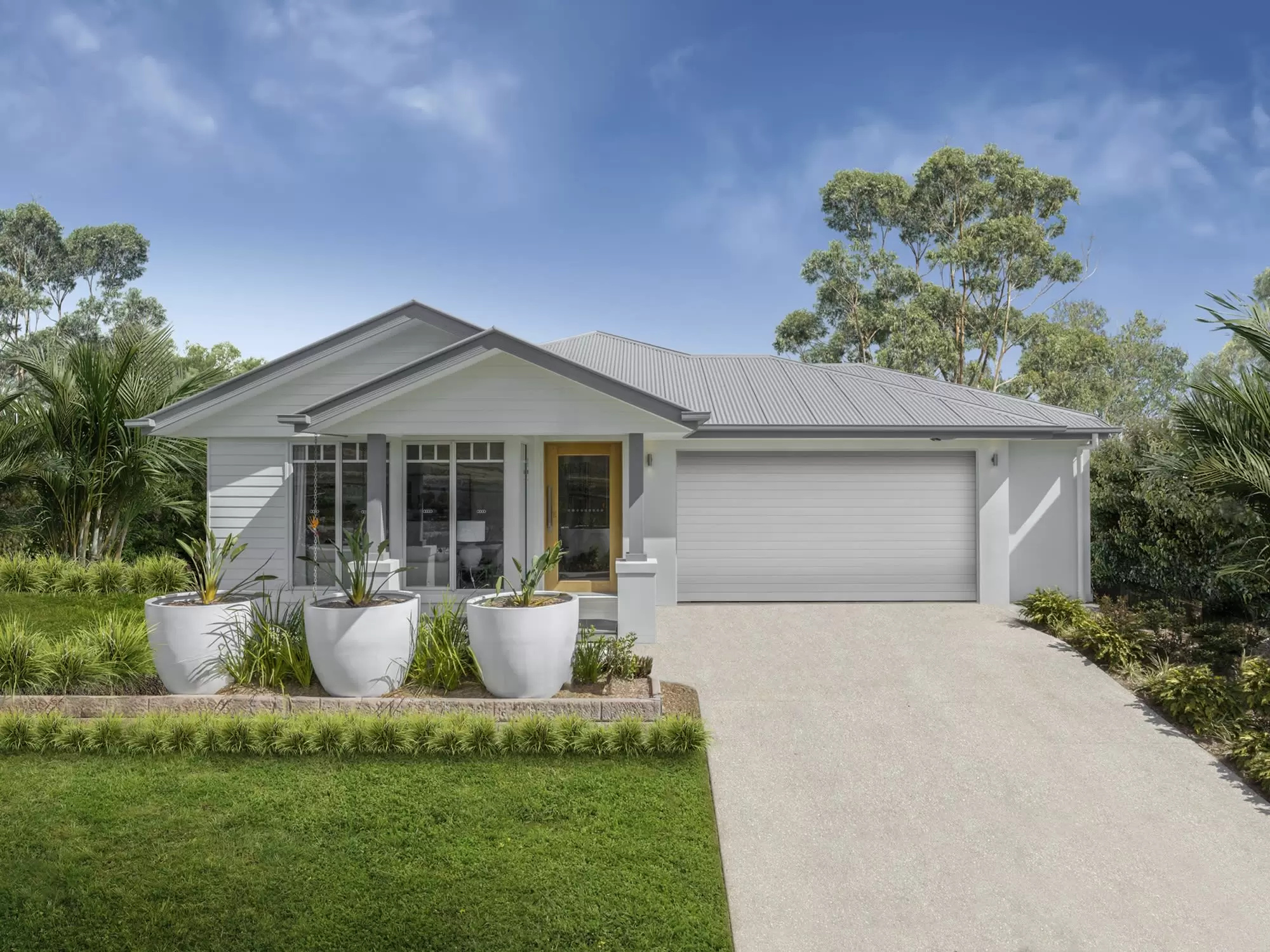

Buying an investment property in Erina requires more than finding the right house. You need to understand how lenders assess investor applications, what deposit you'll need, and how recent regulatory changes affect your borrowing power and tax position.
Deposit Requirements for Investment Property Finance
Many lenders allow investment property borrowing up to 80% LVR without LMI, meaning a 20% deposit is a common benchmark. Some lenders may offer higher-LVR investment loans, although LMI and other lending criteria may apply. A deposit below this threshold attracts LMI, which protects the lender if you default but adds thousands to your upfront costs. The premium increases sharply as your loan to value ratio rises, particularly once you exceed 90 per cent.
Consider a buyer purchasing a unit near Erina Fair. With a 15 per cent deposit, they would pay LMI on top of stamp duty and legal costs, which can push their cash requirement beyond what they initially saved. At 20 per cent or more, LMI disappears entirely, and the application becomes more straightforward.
Your deposit doesn't need to come entirely from savings. Many Erina buyers use equity from their existing home, refinancing to release enough for the new purchase. This approach keeps your cash reserves intact and can be structured so the investment loan sits separately from your owner-occupied borrowing.
How Lenders Calculate Your Borrowing Capacity
Lenders assess investor applications differently from owner-occupier loans. Banks and other APRA-regulated lenders must generally assess new borrowers using a serviceability buffer of at least three percentage points above the loan's interest rate, and factor in a vacancy assumption, typically 5 per cent of expected rental income. From February this year, debt-to-income caps also apply, limiting how much you can borrow relative to your gross household income.
From 1 February 2026, APRA introduced limits on high debt-to-income (DTI) lending. Banks can have no more than 20 per cent of their new investor lending at a DTI ratio of six times income or greater. This is a portfolio-level limit rather than a blanket rule preventing individual borrowers from exceeding six times income, but it may affect which lenders are able to accommodate higher-DTI applications at the time you apply.
Lenders typically shade rental income when assessing borrowing capacity to allow for vacancies and other property costs. The percentage used varies between lenders, with 80% being a common assessment figure. For example, a lender using an 80% rental-income assessment would treat $600 per week in rent as $480 per week for serviceability purposes. If you're purchasing a property that isn't tenanted yet, they'll use a rental appraisal from a licensed agent, which reflects current market conditions rather than optimistic projections.
Ready to get started?
Book a chat with a Finance & Mortgage Broker at CoastFin today.
Interest Rate Structures and Repayment Options
Investment loans are available on variable or fixed rates, and with interest-only or principal-and-interest repayments. Interest-only periods commonly run for one to five years, although available terms vary between lenders, after which the loan reverts to principal and interest unless you renegotiate. Interest-only repayments can improve short-term cash flow and may result in higher deductible interest compared with principal-and-interest repayments, where the borrowing is used to produce rental income. However, they don't reduce the loan principal during the interest-only period.
Variable rates give you flexibility to make extra payments or redraw if the loan permits, while fixed rates lock in your repayment for a set period. Some buyers split their loan between fixed and variable to balance certainty with flexibility. Rate discounts vary depending on your loan size, deposit, and the lender's appetite for investor business at the time you apply.
Lenders also assess the property type when pricing your loan. A two-bedroom unit in central Erina will generally attract better terms than a studio, and properties in areas with strong rental demand and low vacancy rates are viewed more favourably. Body corporate or strata costs are also considered as part of the lender's assessment of your ongoing expenses, and higher strata costs can reduce borrowing capacity.
Tax Treatment and the 2027 Negative Gearing Changes
Under current rules, you can offset a rental loss against your other income, including salary. Interest, council rates, insurance, property management fees, and depreciation are all claimable. This is known as negative gearing, and it's been a core feature of property investment strategy in Australia for decades.
From 1 July 2027, negative gearing will be quarantined for residential properties acquired on or after 7:30pm on 12 May 2026, unless the property qualifies as an eligible new build. Losses will only be deductible against other residential rental income or carried forward to offset future rental income or capital gains. They cannot be used to reduce your salary or wage income.
Properties you already own, or those under contract before that date, are grandfathered and retain full negative gearing treatment. New builds will remain eligible for negative gearing, with the reforms designed to direct tax support towards additional housing supply. Treasury has indicated that this includes dwellings constructed on vacant land and developments that increase the number of dwellings on a site. However, the detailed definition of an eligible new build is still being finalised through legislation, so investors should obtain tax advice before relying on a particular development structure.
This shift changes the calculus for investors. A negatively geared property purchased in Erina after the cut-off will deliver tax benefits only if you hold other rental income to offset the loss, or if you're prepared to carry the loss forward until sale. For buyers without an existing portfolio, the upfront cash flow becomes harder to manage unless the property is neutrally or positively geared from the start.
Structuring Your Investment Loan Application
Your application needs to demonstrate that you can service the loan under the buffer rate, manage vacancy periods, and still meet your existing commitments. Lenders assess your current debts, living expenses, and credit history before making a decision. They also review the property's valuation and rental appraisal to confirm it aligns with the price you're paying.
In our experience, buyers who prepare a clear picture of their financial position, including payslips, tax returns, and a realistic budget for the property's holding costs, move through the process more quickly. If you're using equity from another property, you'll need a valuation of that asset, and the lender will calculate how much you can access while keeping your total borrowing within their limits.
Your borrowing capacity depends on income, debts, and the lender's assessment policies. Some lenders are more flexible with rental income shading or living expense benchmarks, which can make a meaningful difference to the loan amount you're approved for. Investment loan options vary widely across banks and non-bank lenders, so comparing products is worthwhile before you commit.
Refinancing an Existing Investment Loan
If you already own a rental property and your loan is on a higher rate or restrictive terms, refinancing can reduce your repayments and improve cash flow. Rate discounts have become more competitive as lenders compete for quality investor business, and switching to a product with offset or redraw features can give you more control over your repayments.
Refinancing also lets you access equity for further purchases if your property has increased in value. Many Erina investors use this strategy to fund a second or third property without needing to save another deposit from scratch. The new loan still needs to meet current serviceability standards, including the buffer and DTI caps, so your income and expenses are reassessed as if you were applying fresh.
Timing matters. If your current loan has a fixed rate that hasn't expired, you may incur break costs, which can outweigh the benefit of switching. A loan health check can identify whether refinancing makes sense based on your current rate, remaining term, and financial goals.
Choosing the Right Property for Finance Approval
Lenders have preferences when it comes to property type and location. A standalone house in an established Erina street will generally attract better terms than a small unit in a high-density development, and properties in postcodes with strong employment and infrastructure are viewed more favourably than those in declining areas.
Erina's proximity to Erina Fair, Terrigal and major Central Coast employment and service hubs can make the area attractive to tenants. However, rental demand and property values vary between streets and property types, so investors should consider current local rental evidence when assessing a purchase. Lenders recognise this and are comfortable funding purchases in the suburb, provided the valuation stacks up and the rental appraisal reflects genuine market conditions. Properties that are unusual in design, have structural issues, or are located in flood-prone areas can be harder to finance, even if the price looks attractive.
Before you make an offer, it's worth confirming that the property will meet a lender's security requirements. Some buyers find a property they love, only to discover their lender won't support it or will lend at a reduced amount, which can derail the purchase if you're already committed.
Working with a mortgage broker in Erina gives you access to lenders across the market, not just the major banks. Some lenders are more flexible with unit sizes, higher LVRs, or complex income structures, and knowing which lender to approach can save you time and increase your approval chances.
If you're ready to explore your options or want to understand how the 2027 tax changes affect your investment plan, call one of our team or book an appointment at a time that works for you.