Warehouse equipment ties up cash at exactly the wrong time. When you need to expand capacity or replace ageing forklifts and material handling equipment, your working capital is often already stretched covering stock, payroll, and operational costs.
Commercial equipment finance lets you spread the cost of forklifts, pallet racking, conveyors, and automation equipment over terms that match how long you'll actually use them. Instead of paying $80,000 upfront for a new forklift fleet, you pay fixed monthly repayments while the equipment earns its keep on the warehouse floor.
How Equipment Finance Works for Warehouse Operations
You choose the equipment, and the lender purchases it on your behalf. You use the equipment immediately and repay the loan amount over an agreed term, usually between two and seven years. The equipment itself acts as collateral, which typically means you can access higher loan amounts than an unsecured business loan would allow.
In our experience, most warehouse operators choose between a chattel mortgage and a hire purchase agreement. A chattel mortgage gives you ownership from day one. You claim the GST upfront if you're registered, then deduct the full value of the equipment over its effective life using depreciation. Monthly repayments stay the same across the life of the lease, which makes budgeting straightforward.
Hire purchase works differently. The lender owns the equipment until the final payment is made. You can't claim GST upfront, but the repayments are still tax deductible as a business expense. Once the term ends, ownership transfers to you for a nominal fee. This structure can suit businesses that want to keep equipment off their balance sheet or prefer not to claim depreciation.
Funding Forklifts and Material Handling Equipment
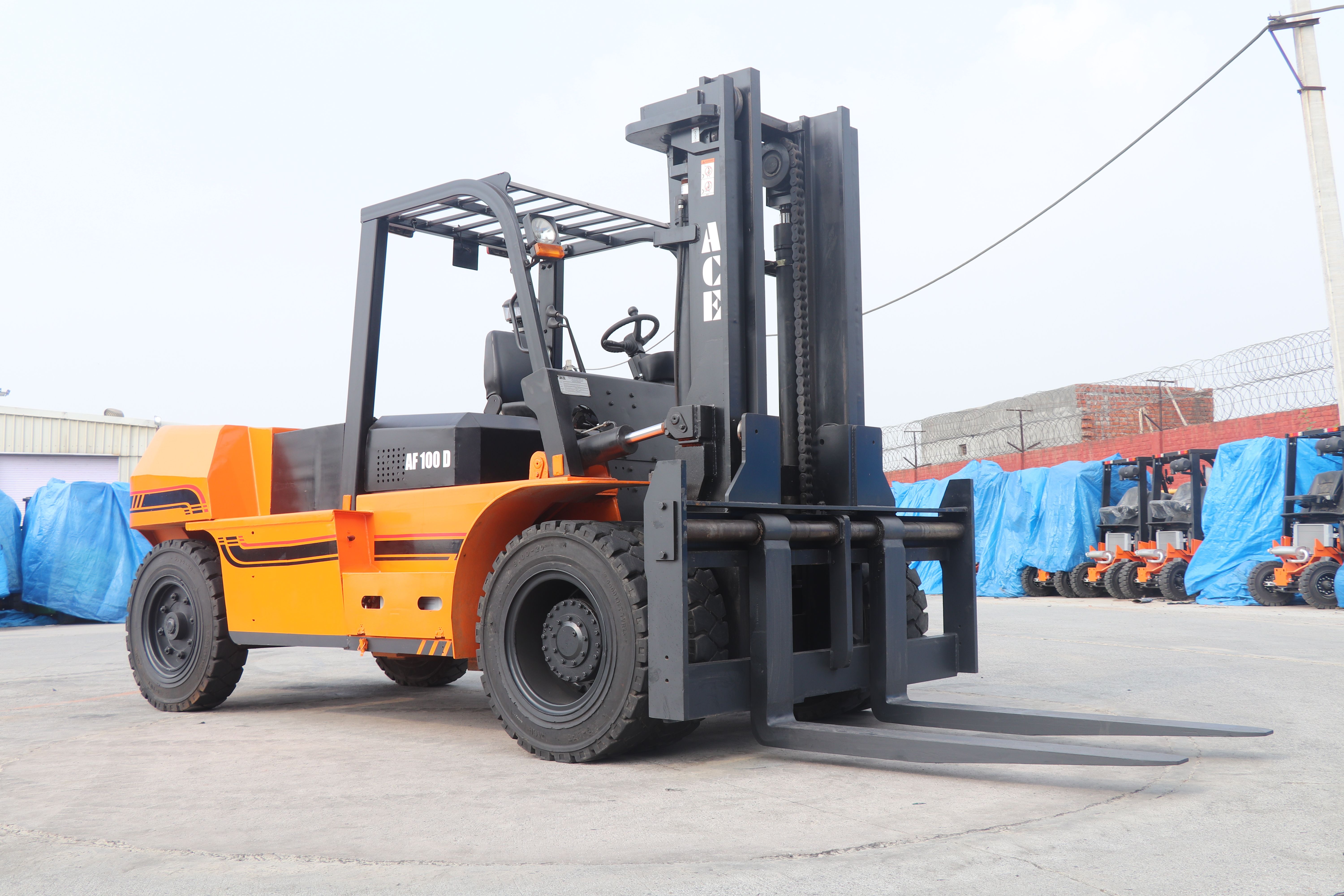
A logistics company operating out of Somersby needed to replace three diesel forklifts and add two electric models to meet a new contract. The total cost sat around $120,000. Rather than delay the contract or drain reserves, they structured the purchase as a chattel mortgage over five years. The fixed monthly repayments were covered by the additional revenue from the contract, and the equipment was tax deductible through depreciation. The entire fleet was operational within three weeks of lodging the finance application.
Most lenders will finance up to 100% of the equipment cost, including delivery and installation. If you're buying new equipment from a supplier, some manufacturers offer preferential rates through their own finance arms. You're not locked into those arrangements though, and it's worth comparing what's available through a broker who can access equipment finance options from banks and lenders across Australia.
Ready to get started?
Book a chat with a Finance & Mortgage Broker at CoastFin today.
Automation Equipment and Robotics Financing
Automation equipment costs more upfront but delivers measurable efficiency gains. Automated guided vehicles, picking robots, and conveyor systems often run into six figures. Financing these assets over five to seven years aligns the repayment period with the working life of the technology and keeps your reserves available for stock and wages.
The loan amount you can access depends on your business financials, existing debt, and the residual value of the equipment. Lenders typically want to see at least two years of trading history and evidence that your current revenue can service the additional repayment. If you're upgrading existing equipment, they'll also consider how the new asset will improve throughput or reduce labour costs.
If your warehouse handles food processing or cold storage, specialised equipment like snap freezers, chillers, and packing lines can also be financed this way. The same principles apply: the equipment is the collateral, the repayments are structured to match the asset's useful life, and the full cost is tax effective equipment through depreciation or lease deductions.
Solar Equipment Finance for Warehouse Roofs
Warehouses have large roof areas and high daytime energy demand, which makes them ideal candidates for commercial solar. A 100kW system can cost $80,000 to $120,000 installed, but most of that cost can be financed over five to seven years. The monthly repayment often sits below the energy savings, which means the system pays for itself while you use it.
Solar equipment finance is treated the same way as plant and equipment finance. You own the system from installation if you use a chattel mortgage, claim the GST upfront, and depreciate the asset. Some lenders also offer green equipment loans with slightly lower interest rates, though availability varies depending on the lender and your business profile.
If you're also upgrading lighting, HVAC, or installing battery storage, those items can be bundled into the same facility. The key is making sure the finance term doesn't exceed the warranty period on the equipment. Financing a solar system over ten years when the inverter warranty is five years creates a mismatch that most lenders will avoid.
Structuring Repayments Around Your Cashflow
Fixed monthly repayments make it easier to manage cashflow because you know exactly what's due each month. Most commercial equipment finance is written with a fixed interest rate, particularly for terms under five years. That removes the risk of rate movements halfway through the contract.
Some lenders offer seasonal repayment structures if your warehouse revenue fluctuates throughout the year. You pay higher amounts during peak months and lower amounts during quieter periods. This structure works well for businesses that handle seasonal stock like outdoor furniture, pool equipment, or agricultural products.
Residual payments, also called balloon payments, reduce your monthly repayment by deferring a lump sum until the end of the term. A 20% residual on a $100,000 loan means you repay $80,000 over the term and then either pay the $20,000 at the end, refinance it, or trade in the equipment and use the sale proceeds to cover the residual. This structure is common when financing work vehicles or machinery that holds resale value, but it's less common for warehouse equipment that gets used hard and has limited second-hand appeal.
What Lenders Look For
Lenders assess equipment finance applications based on your trading history, existing debt, and the type of equipment you're buying. If you're buying new equipment from a recognised supplier, approval is usually straightforward. If you're buying used equipment or specialised machinery with limited resale value, expect more scrutiny around financials and a lower loan-to-value ratio.
Most lenders want to see a minimum of two years in operation, but some will consider startups if you have a strong contract in place or significant director guarantees. If your business is part of a franchise or operates under a larger brand, that can also work in your favour because lenders view the risk as lower.
You'll need recent financials, a quote for the equipment, and details about how the equipment will be used. If you're replacing old equipment, be ready to explain what's being replaced and why. If you're expanding capacity, they'll want to understand the revenue opportunity that justifies the spend.
We regularly see businesses approved within 48 hours when the paperwork is in order and the equipment fits a standard category like forklifts, pallet racking, or computer equipment. More complex items like custom conveyors or imported robotics may take longer because the lender needs to assess residual value and find a valuer who understands the asset.
Using Equipment Finance Alongside Other Facilities
You can run equipment finance alongside a commercial loan, overdraft, or debtor finance facility. Each serves a different purpose. Equipment finance covers capital assets. An overdraft or debtor facility covers working capital and stock. Lenders generally don't view equipment finance as competing with those facilities because the security is different and the repayment comes from operational revenue rather than stock turnover.
If you're considering a broader investment in your warehouse, such as a fit-out, mezzanine floor, or coolroom installation, those items may fall under commercial loans rather than equipment finance. The line between the two can blur, and some lenders will treat a coolroom as plant and equipment while others treat it as a building improvement. That's where working with a broker helps, because they know which lenders will fund specific assets and under what terms.
Call one of our team or book an appointment at a time that works for you. We'll help you compare equipment finance options from banks and lenders across Australia and structure a facility that suits your business needs and the equipment you're buying.