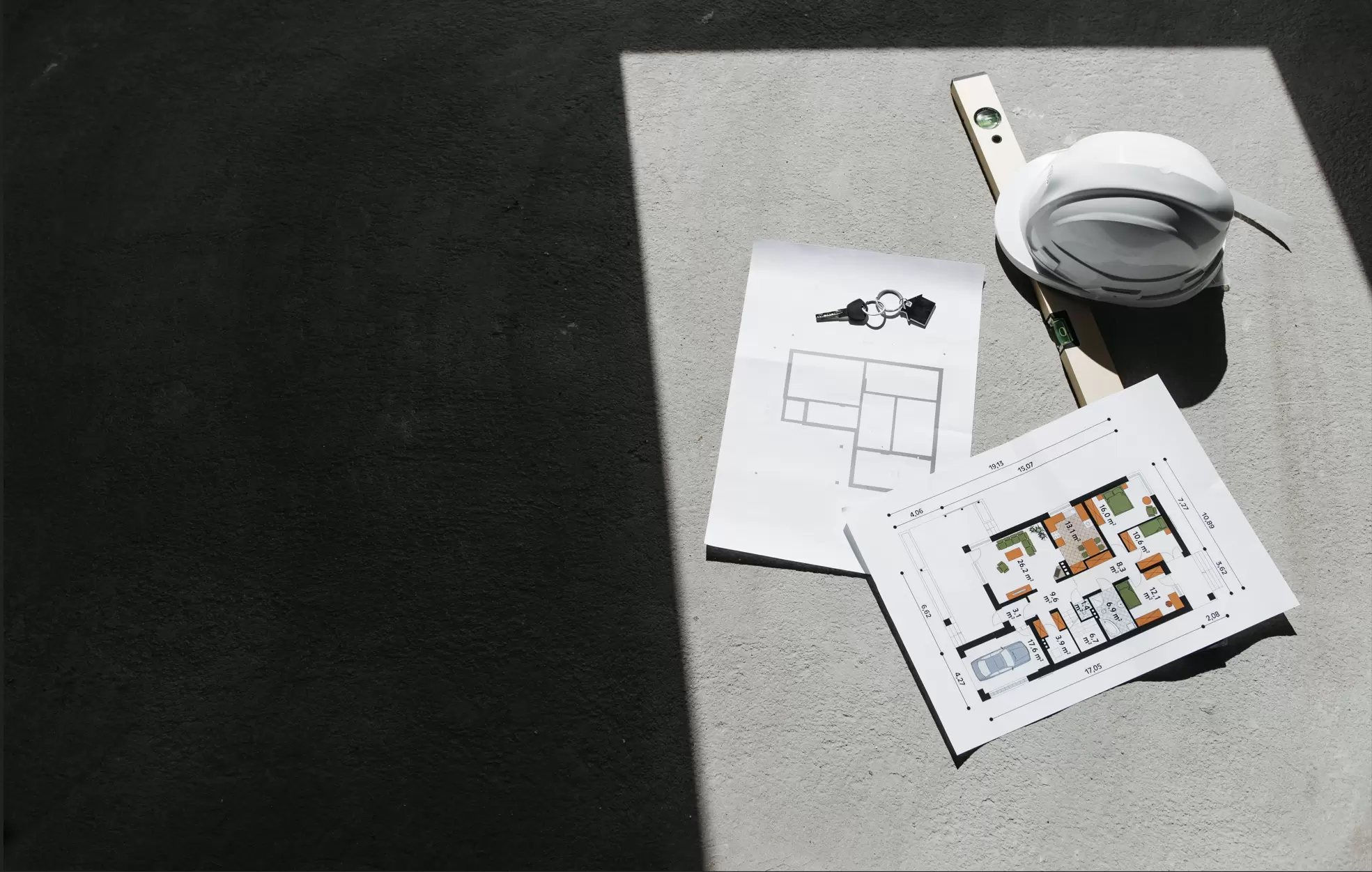
A progressive drawdown construction loan releases your loan amount in stages as building work is completed, not in a single lump sum.
You only pay interest on the funds actually drawn down at each stage, which means your repayments start low and increase as the project moves forward. Each drawdown happens after a progress inspection confirms that the work matches the stage outlined in your progress payment schedule. The lender typically pays the builder directly, so you're not managing large cash transfers yourself.
How Progressive Drawdown Differs from Standard Home Loans
Most home loans settle in full on the day you take possession. Progressive drawdown works differently because there's no finished property to secure the full loan amount against. Instead, the lender assesses your land value, your building contract, and the staged payments outlined in that contract. As each construction phase is completed and verified, the next portion of funds is released. This protects both you and the lender by tying funding to actual progress rather than assumptions about what will be built.
Consider a buyer building a custom home on the Central Coast with a fixed price building contract totalling $450,000 and land valued at $300,000. Their construction loan is approved for $750,000, but nothing draws down until the site works begin. At that point, the first progress payment might be $50,000 for site preparation and slab. The buyer pays interest only on that $50,000 until the frame is up and the next drawdown occurs. By the time the roof goes on, they might have drawn $200,000, and their interest charges reflect that amount, not the full $750,000.
What Each Stage Payment Typically Covers
Progress payment schedules vary depending on whether you're working with a volume builder on a fixed price contract or managing a cost plus contract with individual trades. Most fixed price contracts from registered builders include five to seven stages. The first payment usually covers site costs, including any demolition, earthworks, and the concrete slab. The second stage often includes the frame and roof structure. From there, payments align with lockup (external walls and windows), fixing (internal fit-out, plumbing, and electrical rough-in), and completion (painting, flooring, final fixtures).
If you're building with a cost plus contract or as an owner builder, your drawdown schedule will be more detailed. You might request funds to pay sub-contractors directly for specific tasks like electrical work or tiling. In these situations, the lender will want to see invoices and may require more frequent progress inspections to confirm each trade has been completed before releasing the next payment.
Ready to get started?
Book a chat with a Finance & Mortgage Broker at CoastFin today.
How Interest Charges Work During Construction
You only pay interest on the amount drawn down so far. If your total loan is approved for $600,000 but only $150,000 has been released, your interest charges apply to that $150,000. Most construction loans operate on interest-only repayment options during the building phase, which keeps your cash flow manageable while you're also covering things like temporary accommodation or storage if you've sold your previous home.
Once construction is finished and the final inspection is complete, the loan typically converts to a standard principal and interest home loan. Some lenders call this a construction to permanent loan because it transitions automatically without needing to reapply or refinance. The interest rate during construction may differ slightly from the rate that applies once the loan converts, so it's worth confirming both rates upfront when comparing construction loan options from banks and lenders across Australia.
Managing Timing Between Stages and Drawdowns
One of the more common points of confusion is the gap between finishing a stage and receiving the funds. Your builder will notify you when a stage is complete. You then request a drawdown from your lender, who arranges a progress inspection. Depending on the lender and the inspector's availability, this can take anywhere from a few days to two weeks. The funds are usually paid directly to the builder once the inspection report is approved.
In our experience, delays happen when council approvals are slower than expected or when a builder moves on to the next stage before the inspection for the previous one is completed. If your builder has already started framing before the slab inspection is done, some lenders will hold the frame payment until both inspections are cleared. Staying in regular contact with your builder and your broker helps keep the schedule moving.
What You'll Pay in Fees During the Build
Most lenders charge a progressive drawing fee each time funds are released. This fee typically ranges from $200 to $400 per drawdown, and with five or six stages, that can add $1,500 to $2,500 to your overall costs. Some lenders cap the number of free drawdowns and charge only for additional requests beyond that.
You'll also need to budget for any additional payments outside the standard schedule. If your builder requests a variation for upgraded fixtures or if you're paying for landscaping separately, those might require extra drawdowns. Each one incurs another fee, so it's worth grouping variations where possible rather than processing them individually.
How Your Application Is Assessed Differently
Lenders assess construction loan applications with more detail than a standard home purchase. They want to see your land ownership or contract of sale, your building contract with a registered builder, and council approval for the development application. If you're using a house and land package, the builder and developer usually provide most of these documents as part of the package.
Your borrowing capacity is calculated based on the total loan amount, not just the first drawdown. You need to demonstrate that you can service the full loan once it converts to principal and interest repayments, even though your initial repayments during construction will be lower. If you're building as an owner builder, expect stricter requirements. Many lenders either don't offer owner builder finance or require a larger deposit and evidence of construction experience.
When You Need to Commence Building
Most construction loan approvals require you to commence building within a set period from the disclosure date, usually six to twelve months. If the build doesn't start within that window, the approval may lapse and you'll need to reapply. This can be an issue if there are delays in finalising council plans or securing your registered builder.
If you're purchasing suitable land separately from the building contract, some lenders will approve the land purchase and the construction loan together as a land and construction package. The land component settles first, and the construction drawdowns begin once the building contract is signed and council approval is granted. Others prefer to approve the land purchase as a standard home loan, then assess the construction component separately once the build is ready to start.
Building your own home takes patience and coordination, but progressive drawdown gives you control over how funds are released and ensures you're only paying interest on what's actually been spent. Once the final inspection clears and your keys are handed over, the loan converts and your repayments settle into a rhythm you can plan around.
Call one of our team or book an appointment at a time that works for you.