
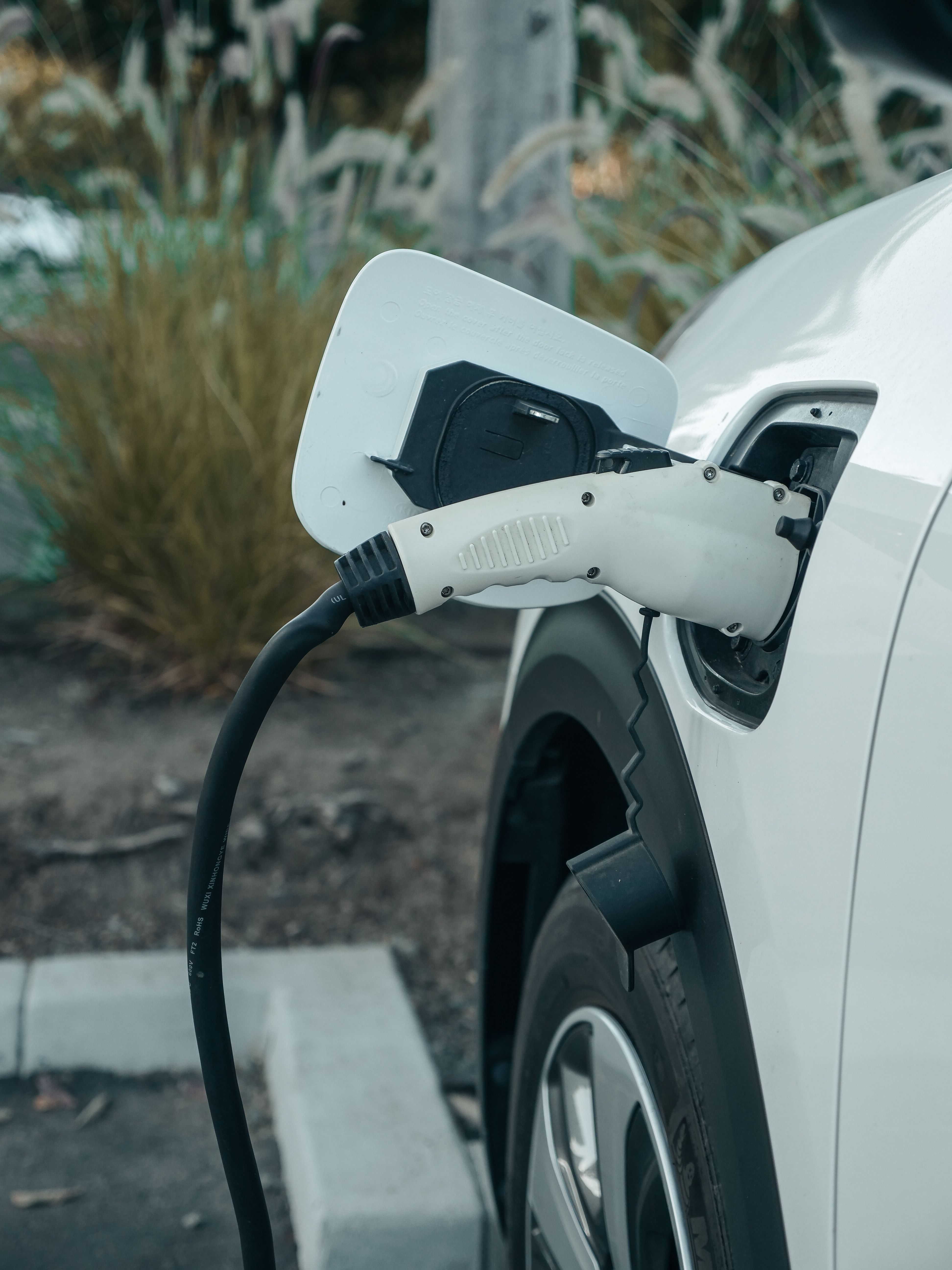
A hybrid car loan works the same way as standard vehicle financing, except some lenders offer discounted interest rates if the car meets specific emissions criteria.
For someone living in Erina, the appeal of a hybrid often comes down to fuel savings on the daily commute to Gosford or across to Terrigal, but the finance side can also work in your favour if you know which lenders to approach. A green car loan usually offers a rate reduction of 0.50% to 1.00% compared to standard new car finance, which translates to lower monthly repayments and less interest paid over the loan term. Not every hybrid qualifies, and not every lender offers the discount, so the application process requires a bit more attention than walking into a dealer and signing the first offer.
What Qualifies as a Green Car Loan
A green car loan applies to vehicles that produce lower emissions than the government threshold, which is currently 120 grams of CO2 per kilometre. Most modern hybrids sit well below that figure, but plug-in hybrids and full electric vehicles are the ones that attract the widest range of discounted finance options. The loan amount you can access depends on the purchase price of the vehicle and your borrowing capacity, which is assessed the same way as any other secured car loan.
Lenders that offer green car finance include major banks, credit unions, and some specialist vehicle lenders. The interest rate discount is applied at the time of approval, so you will see the difference reflected in your monthly repayment from the start. Consider a buyer purchasing a Toyota RAV4 Hybrid. The vehicle meets the emissions threshold, and the buyer applies through a lender offering a 0.70% discount on new car finance. On a loan amount of $45,000 over five years, that discount reduces the monthly repayment by roughly $30 and saves over $1,800 in interest across the term.
Why Hybrids Cost More Upfront but Less Over Time
A hybrid typically costs $3,000 to $8,000 more than the petrol equivalent when new, which means your loan amount will be higher unless you can put down a larger deposit. The offset comes through fuel savings and, in some cases, lower running costs. For someone based in Erina, driving 20,000 kilometres a year in a hybrid rather than a petrol SUV could save $1,500 to $2,000 annually in fuel, depending on current petrol prices and how much city versus highway driving you do.
When you finance a hybrid using a green car loan, the combination of a lower interest rate and ongoing fuel savings can make the higher purchase price more manageable. If you are comparing a hybrid to a standard petrol vehicle, the finance approval process is identical, but the interest rate difference means you need to run the numbers on total cost rather than just looking at the sticker price.
Ready to get started?
Book a chat with a Finance & Mortgage Broker at CoastFin today.
How Lenders Assess Your Car Loan Application
Whether you are applying for a hybrid or a standard vehicle, lenders assess your income, existing debts, and credit history to determine how much you can borrow. The loan amount you qualify for is based on your ability to service the monthly repayment, not just the price of the car. A lender will calculate your borrowing capacity by looking at your after-tax income, minus your regular expenses and any other loan commitments.
For a hybrid, the car loan application process is the same, but you need to provide proof that the vehicle meets the emissions threshold if you want the green car loan discount. This is usually a copy of the compliance plate or a letter from the dealer confirming the CO2 output. Some lenders accept a pre-approved car loan application before you have chosen the exact model, which gives you clarity on how much you can spend and what your repayment will look like.
New Hybrid Loans Compared to Used Hybrid Loans
A new car loan for a hybrid attracts the lowest interest rates, particularly if you qualify for green car finance. A used car loan will have a slightly higher rate, and the green car discount is less common on vehicles older than three years. If you are buying a certified pre-owned hybrid from a dealer, you may still qualify for a green car loan if the lender offers that option and the vehicle is recent enough to meet the criteria.
The loan term for a used hybrid is often shorter than for a new vehicle, which affects your monthly repayment. A five-year term is standard for new car finance, but a used car loan might be capped at three or four years depending on the age and odor reading. For someone in Erina looking at a second-hand hybrid, it is worth comparing the interest rate on a used car loan with the rate on a new hybrid to see whether the upfront saving on purchase price is offset by higher finance costs.
Balloon Payments and How They Affect Hybrid Loans
A balloon payment is a lump sum due at the end of the loan term, which lowers your monthly repayment during the loan period. This structure is more common with business car loans, but it is also available for personal vehicle financing if you want to reduce the ongoing cost. For a hybrid, using a balloon payment can make the higher purchase price more affordable in the short term, but you need a plan for how you will cover that final amount.
If you reach the end of the loan term and cannot pay the balloon, you can refinance the remaining balance, trade in the vehicle, or sell it privately and use the proceeds to settle the debt. The downside is that you pay interest on the balloon amount throughout the loan, so the total interest cost is higher than if you paid the loan amount in full over the term. A balloon payment makes sense if you plan to upgrade the vehicle at the end of the term or if you need to keep the monthly repayment low while you adjust to other expenses.
Should You Refinance Your Existing Car Loan to Buy a Hybrid
If you currently have a car loan on a petrol vehicle and want to switch to a hybrid, you can refinance your car loan by selling your current car, paying out the existing loan, and using the remaining equity as a deposit on the hybrid. This works if your current vehicle is worth more than the outstanding loan balance. If you are in negative equity, meaning you owe more than the car is worth, you will need to cover the shortfall before you can move forward.
Refinancing into a green car loan can reduce your interest rate if the hybrid qualifies for a discount, but you need to factor in the cost of selling your current vehicle and any fees associated with paying out the old loan early. For someone in Erina who has been paying down a standard car loan for a few years and now wants to move to a hybrid, the numbers need to stack up before making the switch.
Access to Multiple Lenders Through a Broker
A finance broker can access car loan options from banks and lenders across Australia, which means you get a broader comparison than walking into a single bank or relying on dealer financing. Different lenders have different criteria for green car loans, and the rate discount can vary by up to 0.50% between lenders for the same vehicle. A broker also handles the car loan comparison process, which saves time if you are juggling work and family commitments.
For a hybrid purchase in Erina, working with a broker who understands green car finance means you are more likely to secure a competitive rate and a loan structure that suits your situation. Some lenders also offer faster finance approval for hybrids because they are trying to grow their green car loan portfolio, so you may get a quicker turnaround than with a standard vehicle loan.
How Deposit Size Affects Your Hybrid Loan
A larger deposit reduces the loan amount, which lowers your monthly repayment and the total interest you pay. For a hybrid, where the purchase price is higher than a comparable petrol vehicle, a deposit of 20% or more can make a noticeable difference. Some lenders also offer no deposit options, but the interest rate will be higher, and you will need to demonstrate strong borrowing capacity to qualify.
If you are upgrading from another vehicle and have equity in that car, you can use the trade-in value as your deposit. This is particularly useful if you are moving from a petrol SUV to a hybrid and the trade-in is still worth a reasonable amount. The deposit reduces the amount you need to finance, which improves your approval chances and can also qualify you for a lower interest rate.
What to Watch for with Dealer Financing on Hybrids
Dealerships often promote zero percent financing offers or other incentives on new hybrids, particularly when manufacturers are trying to move stock. These offers can be attractive, but they usually come with conditions such as a shorter loan term, a higher purchase price, or restrictions on which models qualify. A zero percent interest rate sounds appealing, but if the car dealer has inflated the drive away price to cover the cost of the interest, you may not actually save anything.
Before accepting dealer financing, compare the total cost with a green car loan from a bank or through a broker. Look at the interest rate, the loan term, and whether the dealer has added any extras to the price that you did not ask for. In our experience, buyers who arrange their own finance before visiting the dealership have more room to negotiate on the purchase price because they are not relying on the dealer to approve their loan.
Making the Most of Lower Running Costs
A hybrid reduces your fuel bill, but the real advantage shows up when you combine those savings with a low interest rate on your car finance. For someone living in Erina and commuting regularly, the fuel savings can be redirected toward paying down the loan faster or building up other savings. If your monthly repayment on the hybrid is $30 lower than a standard car loan, and you are also saving $125 a month on fuel, that is an extra $155 a month that can go toward other priorities.
The reliability of a hybrid, particularly a Toyota or Mazda, also means lower maintenance costs over the first few years, which adds to the overall value. When you are assessing whether a hybrid makes sense financially, factor in the total cost of ownership rather than just the purchase price and the loan repayment. A hybrid with a slightly higher loan amount can still be the more affordable option over five years if the interest rate and running costs are both lower.
Call one of our team or book an appointment at a time that works for you.