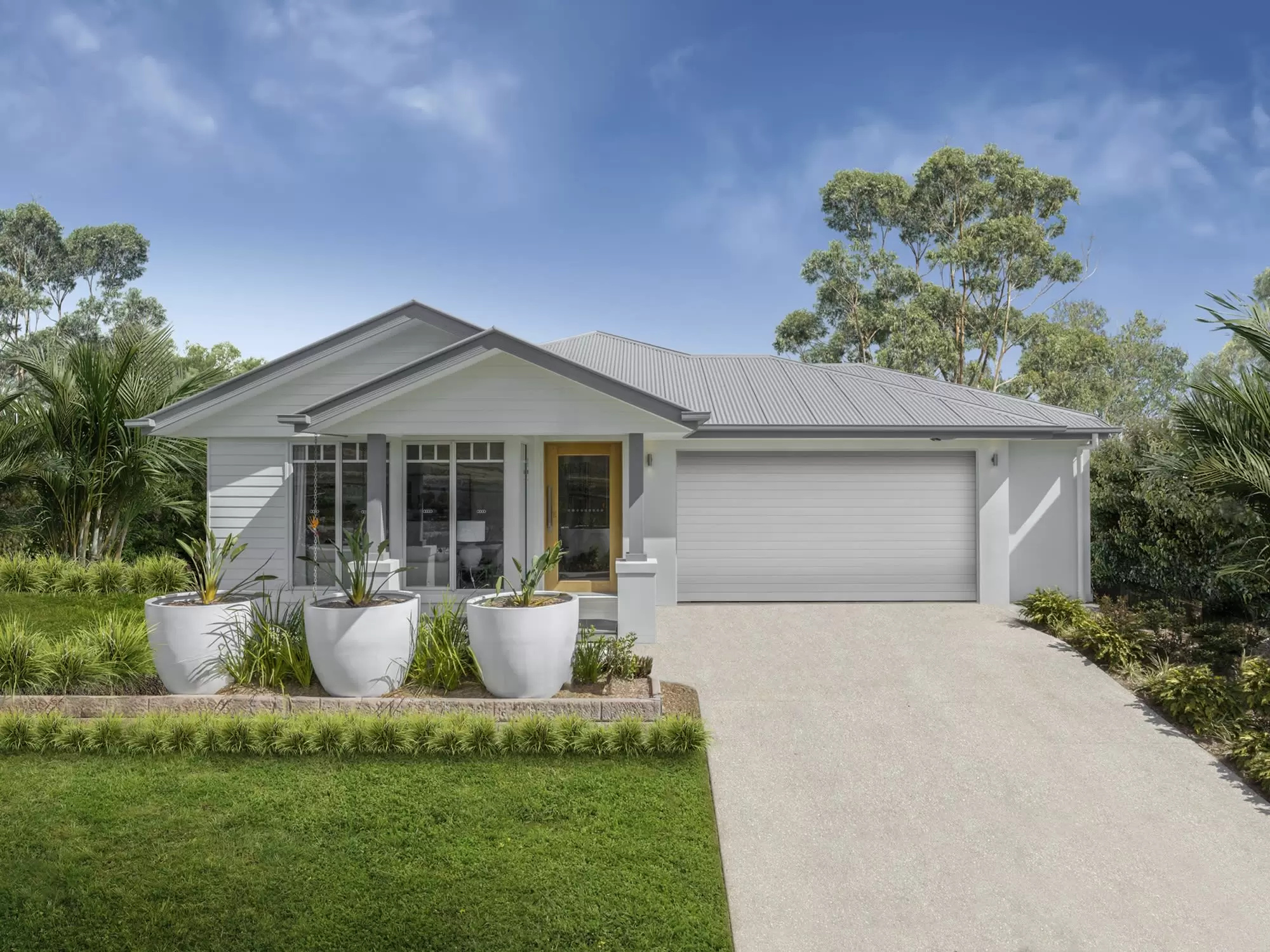

Pre-approval gives you a clear picture of what you can borrow before you start attending open homes.
For buyers in Gosford at the Central Coast, where properties near the waterfront or overlooking Brisbane Water can attract multiple offers within days, knowing your budget ahead of time changes how you search. Pre-approval means lenders have assessed your income, expenses, and deposit, then confirmed in writing how much they're willing to lend. It usually lasts three to six months, depending on the lender.
What Documents Do Lenders Need for Pre-approval
Lenders require proof of income, savings history, and identification to assess your application. The specific documents depend on how you earn income. Employees typically provide recent payslips and tax returns, while self-employed applicants need two years of financial statements and tax returns lodged with the ATO. Your deposit must show genuine savings, meaning funds held in your account for at least three months. Lenders also ask for statements covering your everyday accounts, credit cards, and any existing loans to calculate your expenses and commitments.
Consider a buyer who works at Gosford Hospital and has been saving a deposit over two years. Their payslips show consistent income, but their account statements also reveal a car loan and a credit card with a balance that varies each month. The lender calculates their borrowing capacity by taking their income, deducting the car loan repayment and the credit card limit as a potential expense, then adding in their living costs based on the Household Expenditure Measure. The result is a pre-approved amount that accounts for all those commitments, which might be lower than they expected. Knowing this before they start looking at properties near the waterfront helps them focus on homes within their actual budget.
How Lenders Calculate Your Borrowing Capacity
Lenders assess your capacity by comparing your income against your expenses, existing debts, and a buffer for interest rate changes. They use your gross income, then subtract any loan repayments, credit card limits (even if you pay them off each month), and estimated living expenses. Most lenders also apply a serviceability buffer, adding a percentage to the current interest rate to test whether you could still afford repayments if rates rose.
Someone earning a combined household income as a couple, with one partner in a permanent role and the other working casually at a local business, might assume their capacity is straightforward to calculate. Lenders typically assess casual income by averaging the past 12 months and may reduce it by a percentage to account for variability. If their statements show they've been using buy-now-pay-later services or have a personal loan, those commitments reduce what they can borrow. A lender might approve them for a lower amount than a mortgage calculator suggested because the calculator didn't account for every liability or apply the serviceability buffer. This is where working with a mortgage broker in Gosford helps, as brokers can review your commitments before lodging and suggest strategies like paying down a credit card or closing unused accounts to improve your borrowing capacity.
Ready to get started?
Book a chat with a Finance & Mortgage Broker at CoastFin today.
Why Pre-approval Speeds Up Your Property Search
Sellers and agents take your offer more seriously when you have pre-approval in place. In areas like East Gosford or along the ridges where established homes often sell within the first week, being able to move quickly on an offer matters. A buyer without pre-approval needs to submit their application after making an offer, which delays the process and gives other buyers time to step in. Agents know that a pre-approved buyer has already cleared the main hurdles and is more likely to settle without finance falling through.
Pre-approval also helps you avoid the disappointment of falling for a property you can't afford. If your pre-approval confirms you can borrow a certain amount, you can focus your search on homes within that range and avoid wasting time at open homes for properties that don't suit your budget. It's not a guarantee that the lender will approve the final loan, as they still need to value the property and confirm nothing has changed in your financial situation, but it removes most of the uncertainty early.
Fixed Rate vs Variable Rate in Pre-approval Decisions
You don't lock in a specific interest rate at the pre-approval stage, but understanding the difference between fixed and variable rates helps you plan ahead. A variable rate moves up or down based on lender decisions, which affects your repayments over time. A fixed rate holds steady for a set period, usually between one and five years, which gives you certainty around what your repayments will be during that time. Some buyers choose a split loan, where part of the loan is fixed and part is variable, to balance certainty with flexibility.
When you move from pre-approval to formal approval, you'll need to decide which rate structure suits your circumstances. If you're buying an owner-occupied home loan and want predictable repayments, fixing part or all of the loan might appeal. If you want the flexibility to make extra repayments without penalty or take advantage of falling rates, a variable loan might work better. Pre-approval doesn't commit you to a rate, but it's worth thinking about your preference early so you're ready to make that call when you find a property.
Common Reasons Pre-approval Applications Get Declined
Lenders decline applications when your income can't support the loan amount, your deposit is insufficient, or your credit history shows missed payments. If you've changed jobs recently and are still in a probation period, some lenders view that as higher risk and may decline or defer your application until you've completed probation. If your deposit includes gifted funds without a signed declaration from the person who gave it, lenders may not accept it as genuine savings.
Credit issues are another common reason. A default on your credit file from an unpaid phone bill or utility account, even if it's small, can be enough for some lenders to decline. Other lenders may still approve you but offer a higher interest rate or require a larger deposit. If your expenses are high relative to your income, even without existing debts, lenders may decide you don't have enough buffer to comfortably manage repayments. This is where reviewing your bank statements before you apply makes a difference. Subscription services, regular cash withdrawals, and frequent dining expenses all contribute to how lenders assess your spending patterns.
How Long Does Pre-approval Stay Valid
Most lenders issue pre-approval for three to six months, after which you'll need to reapply if you haven't found a property. The timeframe varies by lender, and some may extend it if your circumstances haven't changed. If your income, employment, or deposit amount changes during the pre-approval period, you'll need to inform the lender, as those changes could affect the approved amount.
If your pre-approval is approaching expiry and you're still searching, it's worth updating your application rather than letting it lapse. Reapplying from scratch means gathering all your documents again and going through the same assessment process. If you've been searching in Gosford and haven't found the right property yet, extending your pre-approval keeps your options open without restarting the process. Interest rates may have moved since your original pre-approval, which could also affect what you're approved to borrow.
Using Pre-approval When Bidding at Auction
Pre-approval is essential if you're planning to bid at auction, as auction sales are unconditional. Once the hammer falls, you're committed to the purchase without a cooling-off period or finance clause. Buyers who bid without pre-approval risk not being able to secure finance after the auction, which means losing their deposit and potentially facing legal action from the vendor.
Auctions are less common in Gosford than private treaty sales, but they do occur, particularly for sought-after properties near the water or on larger blocks. If you're considering bidding, having your pre-approval confirmed and knowing your absolute limit before auction day prevents you from getting caught up in the competition and overcommitting. Lenders may also want to see a contract of sale or property details before unconditional approval, so it's worth checking with your broker or lender about what happens between pre-approval and final settlement when buying at auction.
Call one of our team or book an appointment at a time that works for you.