
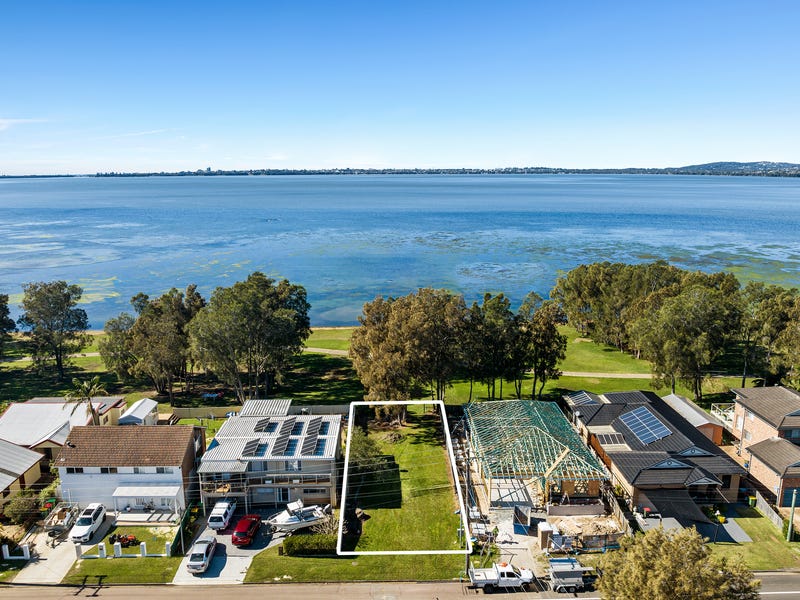
Buying vacant land requires a different lending approach than purchasing an established home.
Most lenders treat vacant land as a higher-risk asset, which means you'll face tighter deposit requirements, lower loan to value ratio limits, and a more detailed application process. If you're looking at a block in Erina or surrounding suburbs, understanding these differences before you make an offer can save you from scrambling to find extra cash at settlement.
How Much Deposit Do You Need for Vacant Land?
You'll typically need a deposit of at least 20% to 30% when purchasing vacant land. Lenders cap the loan to value ratio at around 70% to 80% for land-only purchases because there's no dwelling to secure the loan against. This makes the property harder to sell if you default, so lenders protect themselves by requiring more equity upfront.
Consider a buyer looking at a block in Erina Heights. If the land is priced within the suburb's median range and they want to borrow 80% of the purchase price, they'll need to cover the remaining 20% deposit plus settlement costs from genuine savings or equity in another property. Some lenders will go to 85% LVR if you can demonstrate a clear construction loan plan and have builder quotes ready, but this isn't standard across all lenders.
Lenders Mortgage Insurance is often unavailable or prohibitively expensive for vacant land purchases above 80% LVR, which is another reason why deposit requirements sit higher than they do for owner occupied home loan purchases.
Which Lenders Offer Loans for Vacant Land?
Not all lenders will finance vacant land, and those that do often treat it as a separate product with specific conditions. Major banks and regional lenders typically offer land loans, but they'll assess your application differently depending on whether you're planning to build, hold the land as an investment, or sell it down the track.
Some lenders will only approve a land purchase if you can show evidence of a building contract or development approval. Others will lend on land alone, but they'll charge a higher interest rate or apply stricter serviceability criteria. The difference in approach can affect your borrowing capacity by tens of thousands of dollars, so it's worth comparing home loan options across multiple lenders rather than relying on your current bank.
Ready to get started?
Book a chat with a Finance & Mortgage Broker at CoastFin today.
In our experience, buyers in Erina often focus on blocks zoned for residential development near Erina Fair or along Avoca Drive, where infrastructure is already in place. Lenders view these blocks more favourably than rural or semi-rural land without town water, sewerage, or sealed road access. If the land you're considering is outside an established residential area, expect additional scrutiny and possibly a lower LVR.
Fixed Rate vs Variable Rate for Land Purchases
You can choose between a variable rate, fixed rate, or split loan structure when financing vacant land, but the interest rate you're offered may sit higher than standard owner occupied home loan rates. Lenders see land as a non-income-producing asset unless you're leasing it, so they price the risk accordingly.
A variable interest rate gives you flexibility to make extra repayments or pay the loan off early if you sell the block or refinance once construction starts. A fixed interest rate locks in your repayments for a set period, which can help with budgeting if you're planning to build within the next few years and want certainty while managing construction loan costs.
Some buyers use a split loan to balance flexibility and stability, fixing a portion of the loan while keeping the rest variable. This approach works if you expect to hold the land for a while before building or selling, but you still want the option to make lump sum payments without triggering break costs.
How Lenders Assess Your Application
Lenders assess your income, expenses, and existing debts the same way they would for any home loan application, but they'll also look closely at your intended use for the land. If you're planning to build, they'll want to see builder quotes, council approvals, and a realistic timeline. If you're buying the land to hold as an investment or subdivide later, they'll assess your capacity to service the loan without rental income.
Your borrowing capacity for a land purchase is often lower than it would be for an established property because lenders apply a higher interest rate buffer and assume you'll need additional funds for construction or development. If you're already servicing other debts or investment loans, this can reduce the loan amount you qualify for.
As an example, a buyer with stable employment and no other debts might secure 80% LVR on a residential block in Erina, but if they're also carrying a car loan or have recently taken out equipment finance, the lender may cap them at 70% LVR or reduce the loan amount to keep their debt-to-income ratio within policy.
Offset Accounts and Loan Features
Most land loans come with fewer features than standard home loan products. You can usually access a linked offset account if you're borrowing through a variable rate loan, which lets you park savings and reduce the interest charged on your loan balance. This can be useful if you're saving for construction costs while holding the land.
Interest only repayments are available with some lenders, particularly if you're planning to build within a short timeframe and want to minimise repayments until construction starts. Once you begin building, you can switch to principal and interest repayments or roll the land loan into a combined construction loan package.
Not all lenders offer portable loan features for land purchases, so if you're planning to sell the block and apply the loan to another property later, confirm this upfront. Some lenders will allow it, but others will require you to discharge the loan and reapply.
Interest Rate Discounts and Rate Comparisons
Interest rate discounts on land loans are less common than they are for established property purchases, but you can still negotiate depending on your deposit size, income stability, and relationship with the lender. If you're borrowing at 70% LVR or lower, you may qualify for a rate discount that brings your interest rate closer to standard variable home loan rates.
Comparing rates across lenders is important because the difference between a standard land loan rate and a discounted variable rate can add up over time, particularly if you're holding the land for several years before building. Some lenders also offer rate discount incentives if you sign up for a construction loan at the same time, which can reduce your overall borrowing costs.
If you've already got a home loan with a lender and you're buying land to build on, ask whether they'll offer a package discount or waive certain fees. Not all lenders will, but it's worth asking before you start shopping around.
What Happens After You Buy the Land?
Once you've settled on the land, your loan repayments begin immediately unless you've arranged interest only terms. If you're planning to build, most lenders will let you roll the land loan into a construction loan, which means the original loan gets paid out and replaced with a new facility that covers both the land and the build.
If you're holding the land without immediate plans to build, you'll continue making repayments on the original loan. You can make extra repayments if your loan allows it, which will help you build equity and improve your borrowing capacity when you're ready to apply for construction finance.
Some buyers use the equity they build in the land to secure a deposit for another property or to fund the construction phase without needing to save additional cash. This strategy works if the land has increased in value or if you've paid down enough of the loan to meet the lender's LVR requirements for the next stage.
If your plans change and you decide to sell the land instead of building, you can pay out the loan from the sale proceeds. Most variable rate loans don't charge exit fees, but if you've fixed your rate, you may need to pay break costs depending on how much time is left on the fixed term.
Call one of our team or book an appointment at a time that works for you. We'll help you compare lenders, structure your loan, and work out how much you can borrow based on your deposit and the land you're looking at.